
In central Albania, overlooking the Osum River and the picturesque stone quarters below, stands one of the most remarkable historical monuments in the Balkans: Berat Castle (Kalaja e Beratit). Unlike most ancient fortresses across Europe that remain silent stone ruins, Berat Castle is a living fortress—a historic citadel where families still reside, cobblers craft tradition, and warm Albanian hospitality greets every visitor who walks through its stone gates.
Enclosed within its massive medieval walls lies an extraordinary tapestry of Illyrian origins, Byzantine craftsmanship, and Ottoman heritage, offering a timeless journey into Albania’s rich history.
For travelers exploring Berat with Qato Tours, a walk through the cobbled alleys of the Castle is an absolute must-see experience.
A Citadel Built Across Millennia
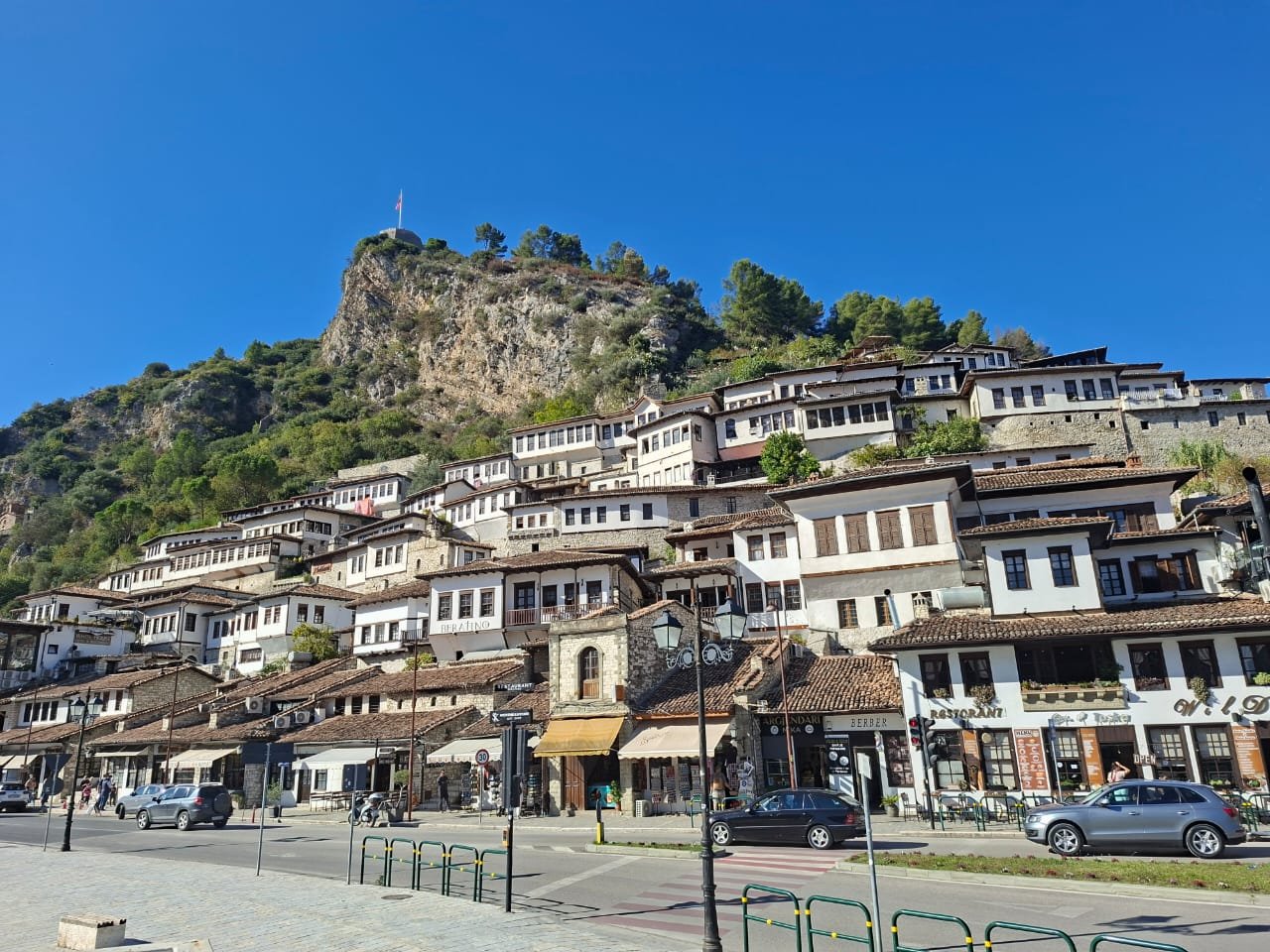
The history of Berat Castle spans over two thousand years. The initial fortifications were laid in the 4th century BC by the Illyrian tribe of the Desaretes. Perched high on a rocky hill at 214 meters above sea level, its strategic location allowed ancient rulers to monitor the river valley and control vital trade routes linking the coast to the interior.
Throughout the centuries, the fortress underwent major transformations:
- The Byzantine Era: Rebuilt and expanded extensively in the 13th century under Michael I Komnenos Doukas (Despot of Epirus), giving the castle much of its current imposing perimeter.
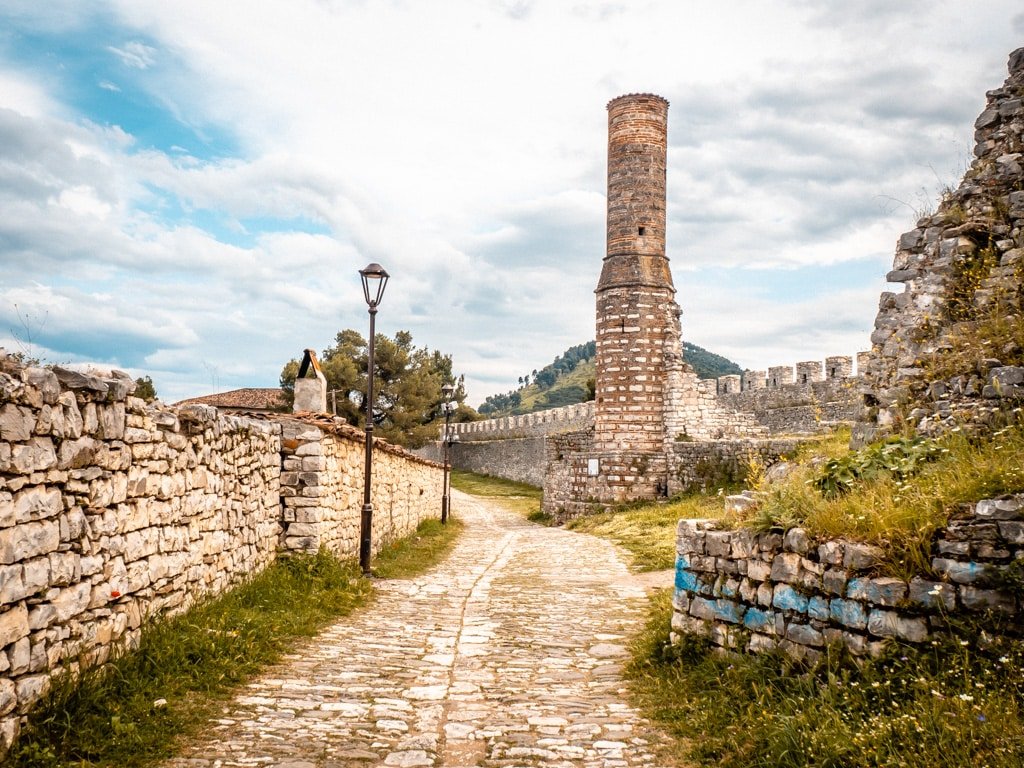
- The Ottoman Period: Added watchtowers, residential quarters, and mosques, weaving Islamic architectural elements into the existing Christian and Byzantine structures.
Despite surviving sieges, earthquakes, and political shifts across generations, the castle’s fortified walls remain impressively intact today.
A Living Citadel Unlike Any Other
What truly makes Berat Castle unique in world heritage is its continuous human presence. For centuries, generation after generation has lived within these stone walls.
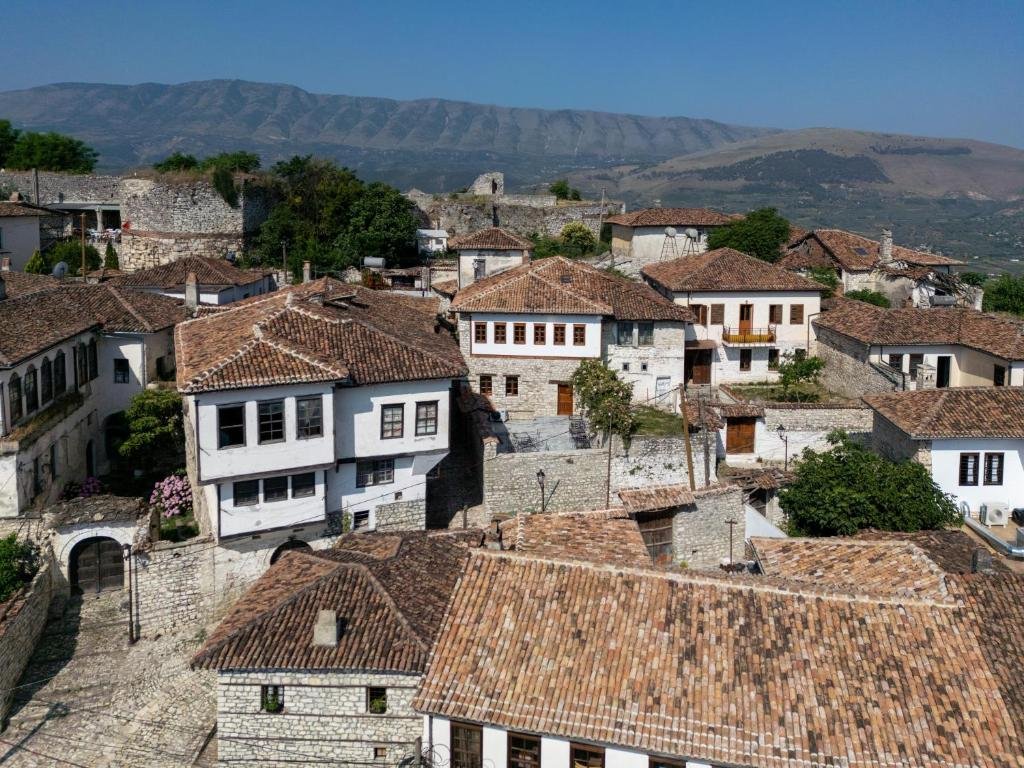
Today, as you step through the main entrance gate, you are not stepping into a static museum, but into a thriving local neighborhood. Stone-paved alleys wind past charming traditional white houses, wooden courtyards with blooming buganvillea, small artisan workshops, and family-run guesthouses.
Children play along the historic cobblestones, local artisans display hand-knitted lace and wooden crafts outside their doors, and elderly residents greet travelers with warm smiles. It is a rare privilege to witness ancient heritage seamlessly integrated with daily life.
The Masterpieces of Onufri and Byzantine Art
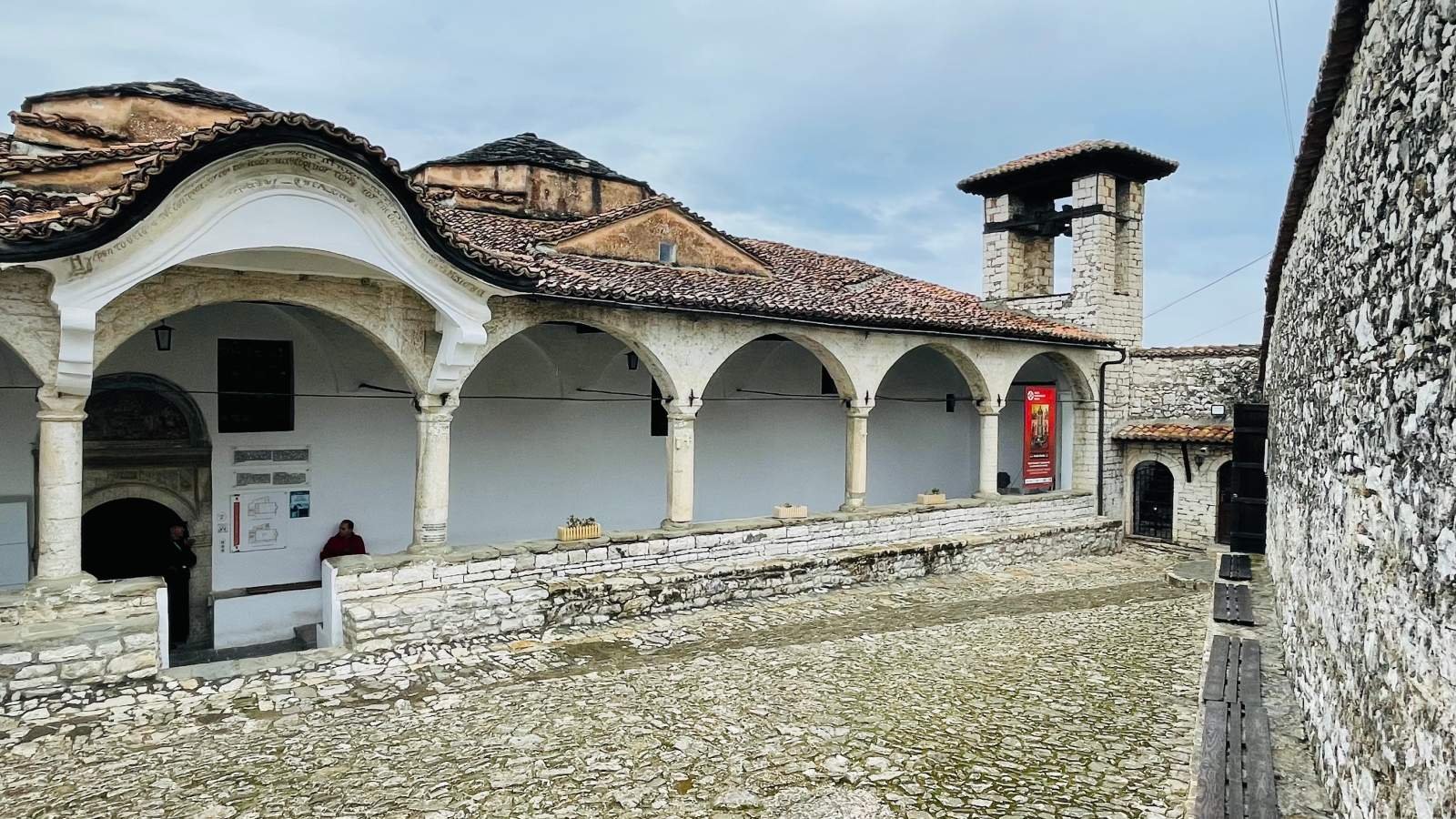
Berat Castle was historically home to over 30 Byzantine churches. Today, around 20 remain preserved within the citadel walls, housing invaluable collections of religious frescoes and icons.
Among these, the Cathedral of the Dormition of Saint Mary stands as a crown jewel. Inside this stunning 18th-century sanctuary, visitors will find the Onufri National Iconographic Museum.
Named after the 16th-century Albanian master painter Onufri, the museum displays breathtaking icons renowned worldwide for their vivid detail and emotional depth. Onufri created a unique red color palette—still celebrated today as “Onufri Red”—whose exact chemical formula remains an unsolved artistic mystery.
Panoramic Views Over the Osum River Valley
Beyond its architectural and artistic treasures, Berat Castle offers some of the most spectacular panoramas in all of Albania.
From the fortress’s southern viewpoint (known as the Tabja or Citadel Plateau), visitors are treated to an unforgettable sweeping sight:
- The Historic Quarters: Looking down directly onto the white stone rooftops of Mangalem and Gorica, divided by the curving turquoise ribbon of the Osum River.
- Mount Tomorr: In the distance, the majestic silhouette of holy Mount Tomorr rises above the horizon, framing the ancient city in natural grandeur.
- Mount Shpirag: Opposite the castle, the ribbed slopes of Mount Shpirag tell legendary local folk stories written into the landscape.
At sunset, as golden light illuminates the stone walls and the valley below begins to glow, the view from the castle ramparts is pure magic.
A UNESCO World Heritage Treasure
In 2008, the historic center of Berat—anchored by its living Castle—was officially inscribed onto the UNESCO World Heritage List.
UNESCO recognized Berat as a rare and exceptionally preserved example of Ottoman architecture combined with peaceful multi-religious co-existence. Within the castle walls, Christian churches and Ottoman mosques stand side by side, reflecting a long-standing tradition of religious tolerance and cultural harmony that defines Albanian society.
Experiencing Berat Castle with Qato Tours
Visiting Berat Castle is far more than just a historical tour—it is an authentic cultural immersion. At Qato Tours, we invite you to experience the castle not as an outsider, but as part of our extended family.
Guided by local experts born and raised in Berat, our tours take you beyond the standard tourist path:
Stop for homemade raki, fresh pomegranate juice, or traditional Turkish coffee prepared by local families inside the citadel.
Hear the ancient legends behind Mount Tomorr and Mount Shpirag as you gaze across the valley.
Discover hidden Byzantine chapels nestled deep inside quiet residential alleyways.